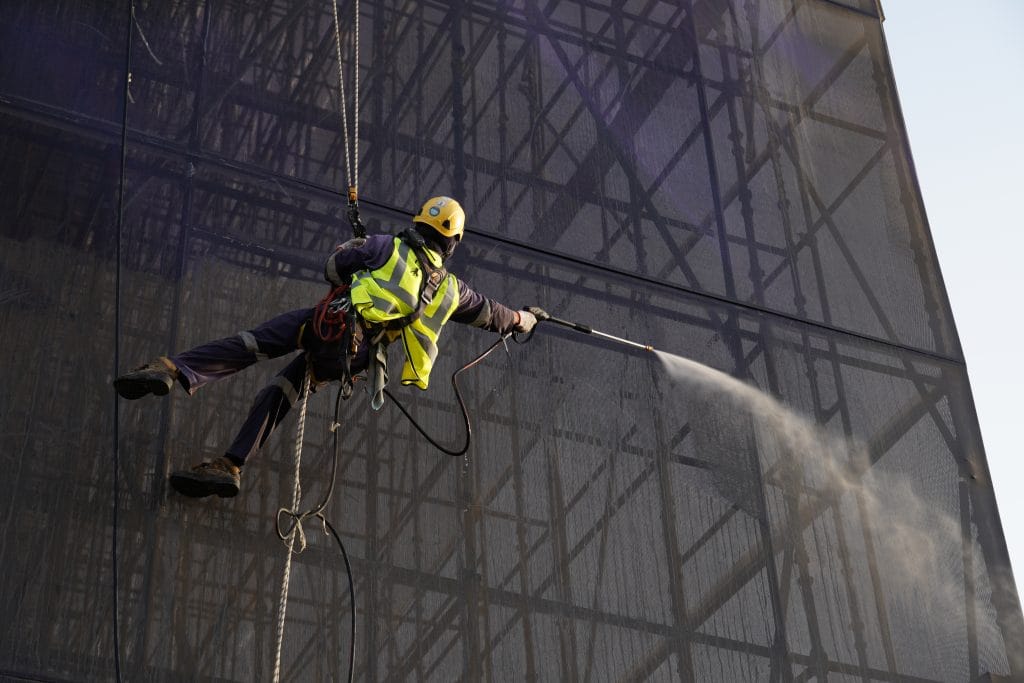
The Risk Management Process Behind Every Rope Access Cleaning Service Job
Suspended high above the ground, technicians defy gravity to clean skyscrapers. This work is thrilling to watch, but safety is the top priority. Every drop of water and wipe of glass depends on a strict plan. Teams look at every potential danger before anyone clips into a harness. This standard is why building owners trust SPME for their high-rise cleaning needs.
Identifying the hazards:
Before a single rope drops, a team looks at the building. They check the roof for strong anchor points. They look for sharp edges that could damage the ropes. Wind speeds, nesting birds, and pedestrian traffic below are all noted. Spotting these issues early prevents accidents.
Calculating the risks:
After finding the hazards, the team calculates the danger level. They decide how likely an accident is and how bad it could be. This step helps the crew choose the best tools for the specific building. High winds might mean delaying the work, while a busy street means blocking off the sidewalk below.
Selecting the right gear:
Rope work needs specialized equipment. Crews check every harness, rope, and carabiner before use. They look for small tears or weak spots. Each piece of gear has a backup, so if one part fails, another part takes over immediately. This redundancy keeps the technician safe at all times.
Training the crew:
Good gear is nothing without skilled workers. Technicians go through strict training programs to learn rescue moves and knots. They practice what to do if a problem happens high in the air. This training means the team can react fast and calmly to any change in conditions.
Setting up the exclusion zone:
Safety affects people on the ground too. Workers set up a clear zone underneath the work area. They use bright tape and signs to keep people away. This zone protects pedestrians from dropping tools or falling water. A ground guard stays on duty to watch the area and talk to the team above.
Constant monitoring:
Risk management does not stop once the work starts. The supervisor watches the weather and the crew all day. If the wind picks up, the team stops working immediately. Continuous checks keep the site safe from morning until the final window is clean.